



 Popular Categories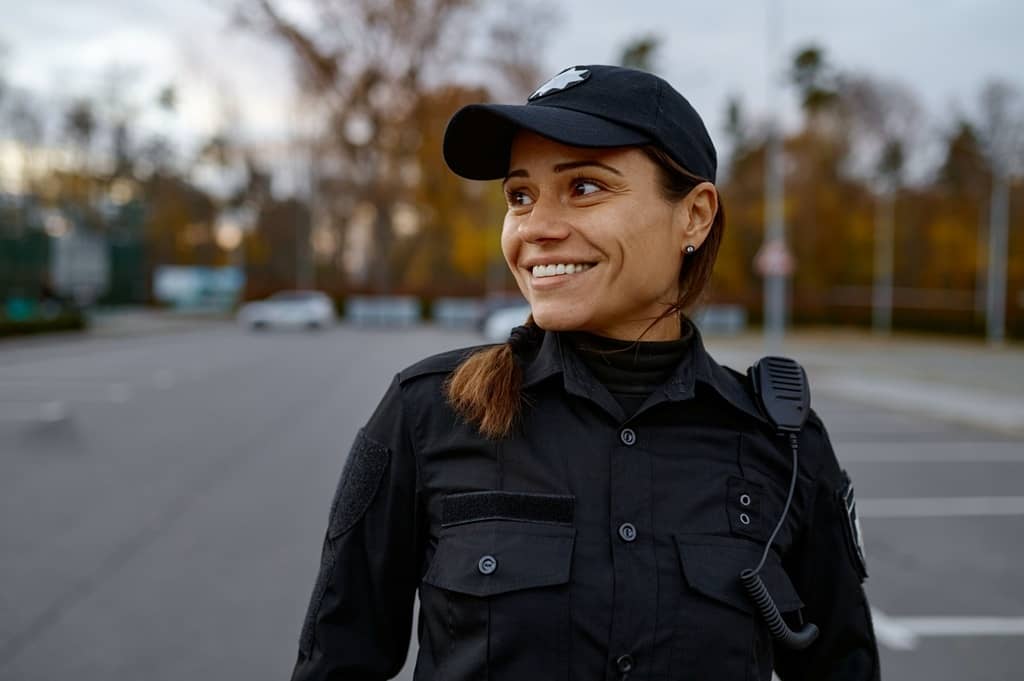
The Strengths Women Bring to Policing and the Path Forward

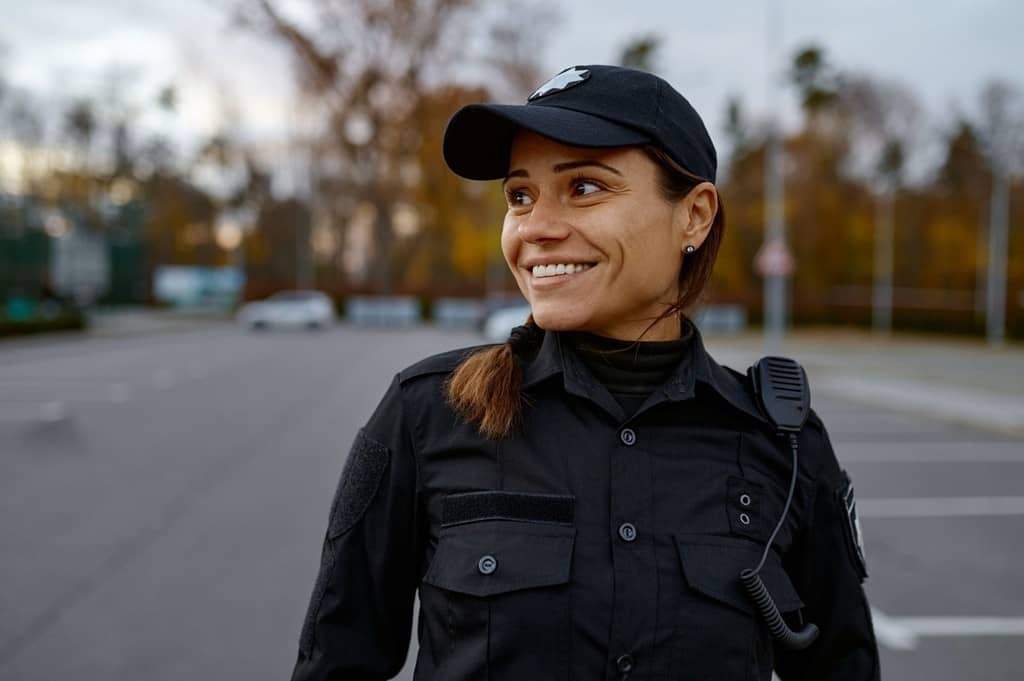
Law enforcement is a tough job that requires a mix of skills, perspectives, and problem-solving abilities to serve communities effectively. As police departments evolve, one thing is clear: officers from different backgrounds bring valuable strengths that enhance public safety.For over a century, women have been an essential part of law enforcement, offering strong communication skills, strategic thinking, and a natural ability to build trust within communities. While they currently make up only 12.6% of all sworn officers in the U.S. (DOJ, Bureau of Justice Statistics, 2018), their impact is undeniable.
In this article, we’ll take a closer look at the history of women in policing, the strengths they bring to the profession, and how departments can continue building diverse, well-rounded teams that are equipped to serve today’s communities.
A Brief History of Women in Policing
Women have been making an impact in law enforcement for over a century, stepping into roles that emphasized protection, community engagement, and problem-solving. In the early 1900s, their work often focused on social issues, but over time, they took on crime prevention, investigations, and leadership positions, proving that policing benefits from a diverse range of skills.
- Lola Baldwin (1908) was one of the first women sworn into law enforcement, dedicating her career to protecting at-risk women and children in Portland, Oregon.
- Alice Stebbins Wells (1910) became a trailblazer in the Los Angeles Police Department, earning the same training and authority as her male colleagues—a groundbreaking step toward equality in policing.
- Georgia Ann Robinson (1916) made history as the first Black female police officer in the U.S., bringing a social work approach to law enforcement and emphasizing trust-building within communities.
These pioneers set the stage for today’s officers, showing that effective policing isn’t just about enforcement—it’s about understanding, communication, and a commitment to public service. Their contributions continue to shape the future of law enforcement, proving that a wide range of skills and perspectives makes policing stronger and more effective.
The Strengths Women Bring to Law Enforcement
Research shows that policing is most effective when officers bring a variety of skills, perspectives, and approaches to the job. Women in law enforcement have proven to be an asset in many ways, helping departments operate more efficiently and build stronger connections with the communities they serve.
1. Strong Communication & De-Escalation Skills
Good communication is at the heart of effective policing. Studies show that officers who prioritize verbal de-escalation and conflict resolution can reduce confrontations and build trust with the public. Female officers, on average, tend to rely more on communication and problem-solving techniques, which can help defuse tense situations without unnecessary force.
2. Skilled in Sensitive Investigations
In cases involving domestic violence, sexual assault, or vulnerable populations, trust is crucial. Victims often feel more comfortable speaking with officers trained in trauma-informed interviewing, leading to better case outcomes and stronger relationships between law enforcement and the community.
3. A Community-Focused Approach
Building relationships with the community is key to preventing crime and fostering public trust. Studies show that women in law enforcement are more likely to engage in community-oriented policing, which emphasizes partnerships, communication, and proactive problem-solving rather than just enforcement.
4. A Fresh Perspective in Law Enforcement
Successful teams—whether in policing or any other field—benefit from a mix of perspectives and problem-solving strategies. Having officers with different backgrounds and approaches allows departments to develop stronger policies, improve officer training, and create well-rounded teams that can adapt to a wide range of challenges.
In short, law enforcement works best when officers bring different strengths to the job. Women have consistently proven that strong communication, strategic thinking, and community engagement are powerful tools that enhance policing and public safety.
5. Gear That Fits: The Rise of Inclusive Sizing
Supporting women in law enforcement isn't just about policy and training—it also means making sure their equipment fits properly. Ill-fitting uniforms and gear can affect comfort, mobility, and even safety on the job. Recognizing this, many uniform and gear manufacturers now offer women's-specific cuts and expanded, inclusive size ranges designed to fit a wider variety of body types. As departments continue to diversify, access to properly fitting law enforcement uniforms and gear helps ensure every officer—regardless of body type—can perform at their best.Looking Ahead: The Future of Law Enforcement
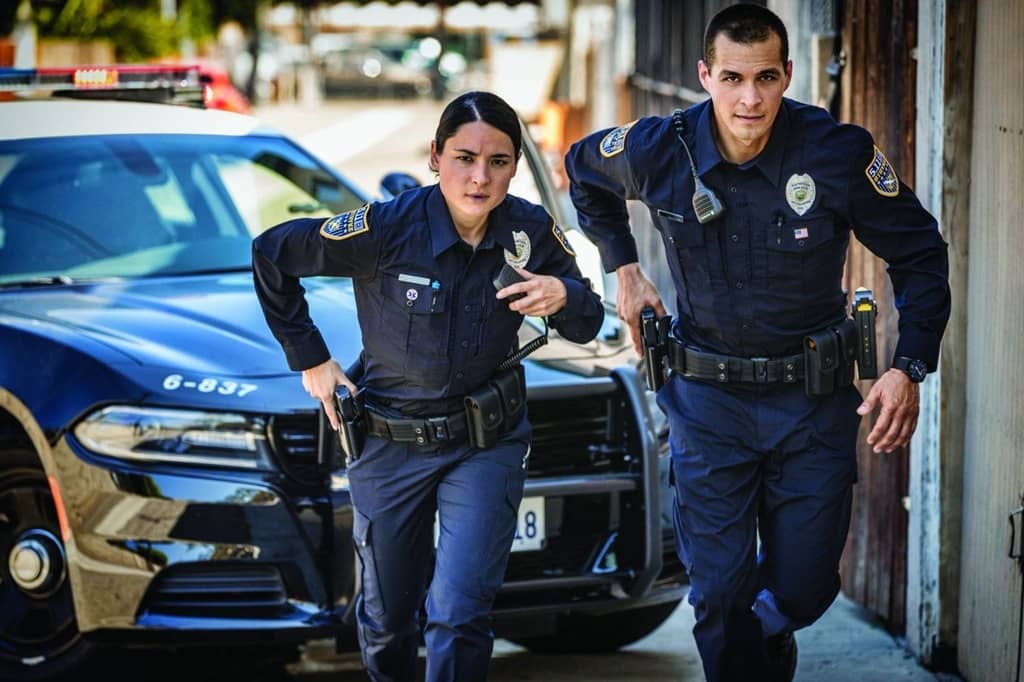
As law enforcement evolves, agencies are seeing the value of building well-rounded teams that reflect the communities they serve. No matter their background, officers who bring strong communication, problem-solving skills, and a commitment to public service are essential to the success of any department.
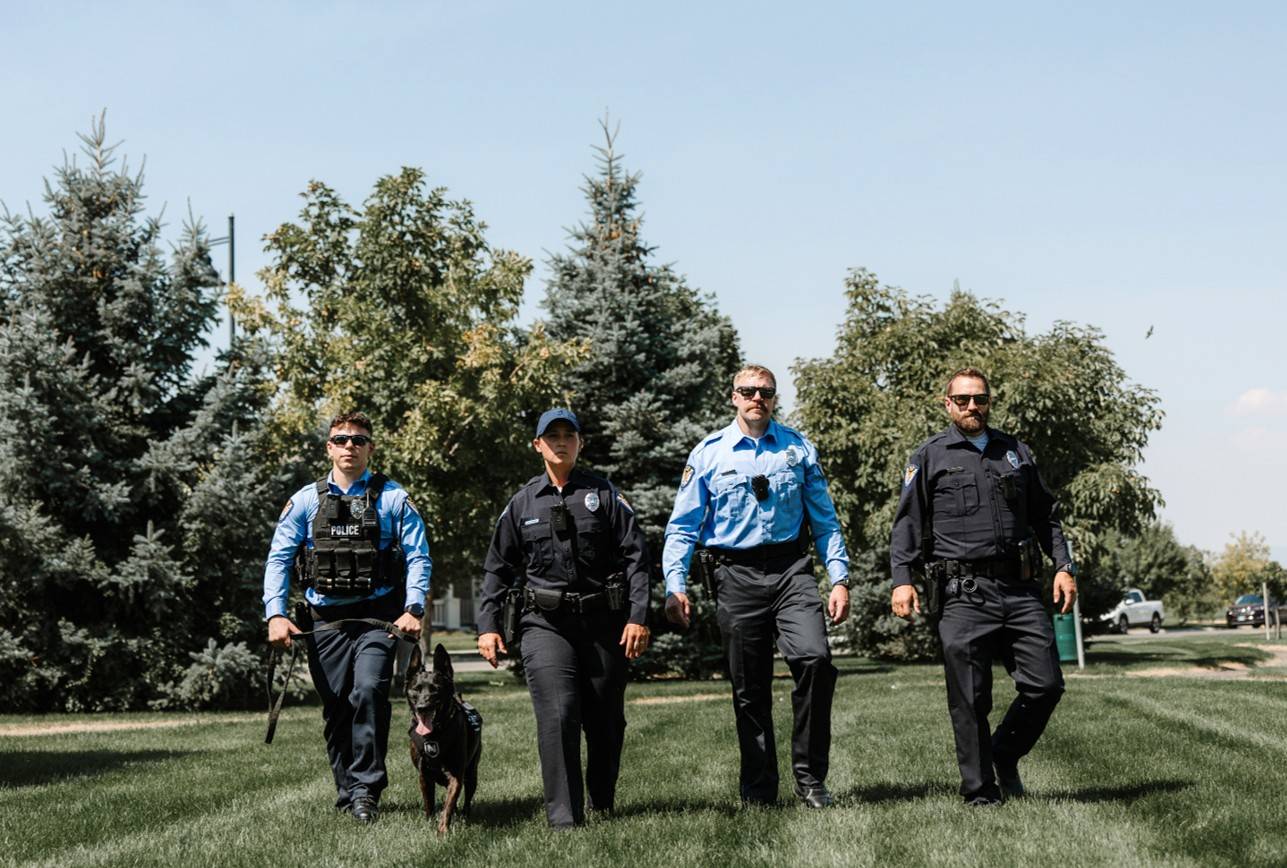
With ongoing training, mentorship, and career development, the future of policing will be shaped by officers who bring a mix of skills, experiences, and perspectives to the job. By focusing on recruiting and retaining top talent, law enforcement agencies can ensure they are ready to meet the challenges of tomorrow while continuing to serve their communities effectively.
Building on a Legacy of Strength
A strong police force isn’t just about numbers—it’s about the skills, experience, and dedication of its officers. For over a century, women have played a vital role in law enforcement, bringing communication, leadership, and problem-solving abilities that enhance the profession and strengthen community relationships.
By recruiting, training, and promoting officers based on their unique strengths, departments can build more effective, adaptable, and community-focused teams. This approach not only improves policing—it ensures safer, more connected communities for everyone.
Frequently Asked Questions
What percentage of police officers in the U.S. are women?
Women make up about 12.6% of all sworn law enforcement officers in the U.S., according to the DOJ's Bureau of Justice Statistics (2018). While that number remains low, their impact on the profession has been significant.
Who was the first woman in U.S. law enforcement?
Lola Baldwin is widely recognized as one of the first women sworn into law enforcement, taking on the role in 1908 to protect at-risk women and children in Portland, Oregon.
What unique strengths do women bring to policing?
Women in law enforcement are often recognized for strong communication and de-escalation skills, effectiveness in sensitive investigations (such as domestic violence and sexual assault cases), a community-focused policing style, and a fresh perspective that strengthens team problem-solving.
How can police departments build more diverse, well-rounded teams?
By prioritizing recruitment, training, and mentorship that value a mix of skills and perspectives, departments can create teams better equipped to serve their communities. Continued career development ensures departments are ready for future challenges.
Related Posts




Disclaimer: The information in this blog post is for general informational purposes only and should not be taken as legal, regulatory, safety, or professional advice. Galls, LLC and its affiliates (collectively, the “Company”) distribute public safety and law enforcement products but do not manufacture the items discussed. All product details are based on manufacturer-provided information and have not been independently verified by Galls. We make no warranties regarding the accuracy or completeness of such information. Readers should consult the respective manufacturer or regulatory authority for the latest details.
For more detailed information, visit our Disclaimer Page.
 Item Added to Cart!
